

How Long Does Cabinet Installation Take?
- Willy Penner

- Mar 27
- 6 min read
If you're planning a kitchen renovation, one of the first practical questions is how long does cabinet installation take. The short answer is usually a few days for the installation itself, but the real timeline depends on cabinet type, room conditions, layout complexity, and how much custom fitting the project requires.
That matters because cabinet installation is not just a delivery-and-hang appointment. It sits in the middle of a larger renovation schedule that may include demolition, flooring, electrical, plumbing, countertops, and finish work. If you want a realistic plan, you need to look at the full sequence, not just the day the cabinets arrive.
How long does cabinet installation take in a typical kitchen?
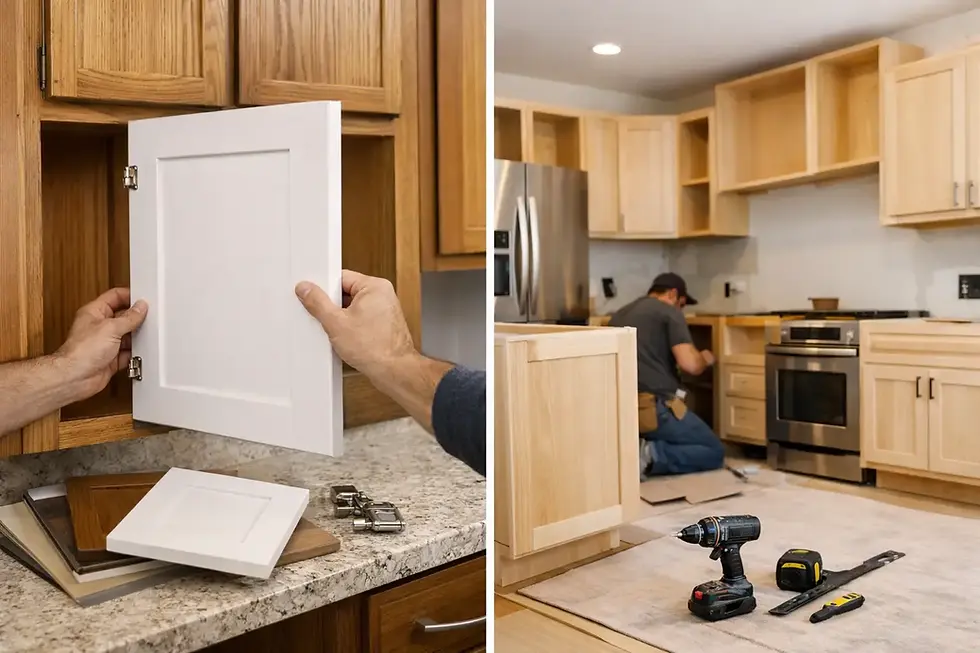
For a standard kitchen, cabinet installation often takes 2 to 5 days. Smaller spaces with straightforward layouts may land on the shorter end. Larger kitchens, multi-wall runs, islands, appliance panels, and detailed trim work usually take longer.
Stock cabinets can sometimes move faster because the sizing is predetermined and the installation approach is more standardized. Custom cabinetry often takes more care on site, especially when the goal is a built-in look with tight reveals, clean alignment, and a precise fit to walls, ceilings, and flooring conditions.
That extra time is usually worth it. A rushed install can leave uneven gaps, doors that don't line up, filler pieces that feel obvious, or trim details that look added on instead of integrated.
The installation timeline is only one part of the project
Homeowners often ask about installation time when what they really need is project timing. There is a difference.
The install phase usually starts after the space has been measured, cabinets have been built or ordered, and the room is ready to receive them. If walls are out of square, flooring height changes, plumbing has to move, or electrical rough-ins are unfinished, installation can slow down or get pushed.
In a custom project, planning upfront often makes the on-site portion more efficient. The more clearly the layout, appliance specs, and finish details are resolved before build, the fewer surprises show up during install.
What affects how long cabinet installation takes?
Several factors can move the schedule by a day or more.
Room size and layout
A simple galley kitchen is usually faster than a large U-shaped kitchen with a central island, pantry wall, and stacked upper cabinets. Every corner, return, and change in elevation adds labor.
Vanities, laundry rooms, mudrooms, and closets can also vary. A clean wall with one cabinet run is straightforward. A fitted storage wall with bench seating, vertical panels, and trim-to-ceiling detailing takes more time.
Cabinet type
Stock, semi-custom, and custom cabinets do not install exactly the same way. Custom cabinetry is built for the space, but that doesn't mean it always installs faster. It often means more precise scribing, panel alignment, and finish carpentry so the final result reads as furniture-grade, not pieced together.
If you're investing in inset doors, flush end panels, custom hoods, or integrated appliance surrounds, installation becomes more exacting. Precision takes time.
Site conditions
Few homes offer perfectly flat floors and perfectly plumb walls. Older homes especially can require shimming, scribing, and field adjustments. Even new homes can have framing or drywall inconsistencies that affect fit.
These corrections are normal, but they do add time. Good installation is often about solving what the room gives you without letting those imperfections show in the finished cabinetry.
Scope of trim and finishing details
Crown molding, light rail, decorative end panels, toe-kick details, and built-in style fillers can extend the schedule. So can under-cabinet accessories, rollout inserts, and hardware installation if those are part of the scope.
This is one of the biggest differences between a basic install and a polished one. The cabinets may be set in place quickly, but the finished look comes from the details.
Coordination with other trades
Cabinet installers do not work in a vacuum. If the electrician still needs access, the plumber is finalizing supply lines, or countertop templating has to happen between stages, the calendar may include pauses.
A common sequence is cabinet installation first, countertop templating next, then countertop installation after fabrication. If you're using stone tops, there is often a gap of several days to a couple of weeks between those steps.
A realistic breakdown of the process
Here is what homeowners can usually expect once the space is ready.
Day 1: Delivery, inspection, and layout
The first day often includes staging materials, checking for damage, confirming the layout, and starting with base cabinets. Installers will establish level reference lines and begin positioning the most critical runs.
If the room is complex or access is tight, a full first day may be spent just getting the foundation right. That is not lost time. Cabinet installation builds from the first level line.
Day 2-3: Setting cabinets and making adjustments
Most of the visible progress happens here. Base cabinets, wall cabinets, tall pantry units, and islands are secured, leveled, and aligned. Fillers are cut, seams are checked, and appliance openings are verified.
This is also where experience shows. Small adjustments made during these days affect door operation, countertop fit, and the overall look of the room.
Day 4-5: Panels, trim, and finishing touches
Larger or more detailed kitchens may need extra time for end panels, crown, decorative moldings, valances, hardware, and final door and drawer adjustments. If the design includes custom millwork details, this stage can be substantial.
At the end of installation, the cabinetry should look intentional from every angle, not just functional from the front.
Why custom cabinet installation can take longer
Homeowners sometimes hear a shorter timeline elsewhere and wonder if custom is slowing them down. Sometimes it does - but for good reason.
Custom cabinetry is built around your room, your storage needs, and your finish selections. That often means taller cabinets, tighter gaps, cleaner appliance integration, and more deliberate transitions to walls and ceilings. Installers are not simply hanging boxes. They are fitting a tailored solution into a real home with real irregularities.
The trade-off is straightforward. Off-the-shelf options may install faster, but they often require more compromise in sizing, spacing, and visual fit. Custom work usually asks for more precision up front and on site, and the payoff is a finished result that feels built for the house instead of adapted to it.
What can delay cabinet installation?
The most common delays are not dramatic. They are usually coordination issues or incomplete decisions.
Late appliance changes can affect cabinet openings and panel dimensions. Flooring height changes can alter where base cabinets sit. Unfinished drywall, paint, or rough-in work can prevent install from starting on time. Missing hardware, backordered inserts, or countertop revisions can also create gaps in the schedule.
This is why a consultation-led process matters. When measurements, design choices, and scope are clearly defined before production, installation tends to move more predictably.
How to keep your project on schedule
If you want cabinet installation to stay efficient, the best thing you can do is prepare the room and finalize decisions early.
Make sure appliance specifications are confirmed before cabinets are built. Have plumbing and electrical rough-ins completed according to the approved layout. Clarify whether flooring goes in before or after cabinets, since that affects heights and transitions. And if you're planning custom details, allow time for them rather than treating them like extras that can be added without impact.
Just as important, work with a cabinet team that manages the process, not just the product. Good craftsmanship shows in the final fit, but good project management shows in the timeline.
So, how long should you expect?
If the room is ready and the project is well planned, most cabinet installations take between 2 and 5 days, with more elaborate custom spaces taking longer. The bigger question is whether that time is being used to install cabinets or to deliver a finished, tailored result.
That distinction matters. Homeowners rarely remember whether installation took two days or four. They remember whether the kitchen feels complete, whether storage works the way it should, and whether the cabinetry looks like it belongs in the home.
If you're comparing options, don't just ask how fast the install can happen. Ask how the space will be measured, who is managing the sequence, and how the final fit will be handled. If you're ready to move from timing questions to a real plan, view the gallery or book a consultation at https://www.stonemillcabinetry.com. A well-built space is worth scheduling properly.


Comments